

Getting your newborn to sleep peacefully in their bassinet can feel like solving a complex puzzle. Many parents find themselves spending countless hours trying different techniques, only to end up frustrated when their little one refuses to settle in their designated sleep space. You’re not alone in this challenge, it’s a common hurdle that nearly every new parent faces.
The transition from the cozy warmth of the womb to a bassinet is a significant adjustment for your newborn. Your baby has spent nine months in a snug, warm environment with constant motion and familiar sounds. Now, the spacious, still environment of a bassinet can feel overwhelming and unfamiliar to them. Understanding this perspective helps us approach the challenge with patience and empathy.
This guide will walk you through practical, evidence-based strategies to help your newborn feel secure and comfortable in their bassinet. We’ll explore everything from creating the perfect sleep environment to establishing effective routines that promote healthy sleep habits. Whether you’re using a Monbebe Bassinet, Nuna Bassinet, or Aristot Bassinet, these tips will help you and your baby achieve better sleep.
Understand Your Newborn Sleep
1. Creating a Sleep Schedule
The foundation of successful bassinet sleep lies in understanding how newborn sleep patterns work. Unlike adults, newborns haven’t yet developed their circadian rhythm, the internal clock that regulates a baby to sleep cycles. They typically sleep in shorter bursts, waking every 2-4 hours for feeding and comfort.
Your baby may resist sleeping in the bassinet simply because they’re overtired. Recognizing early sleep cues like yawning, eye rubbing, or becoming less active can help you time your sleep attempts better. Missing these windows can lead to overtiredness, making it significantly harder for your baby to fall asleep.
2. Adjusting to Day and Night Cycles
Newborns initially struggle with distinguishing between day and night. You can aid this transition by exposing them to natural light during the day and creating a darker & more serene environment at night. Coupled with gentle activities, this will help newborns gradually learn these crucial cycles.
3. Recognizing Sleep Signals
Understanding different sleep cues will help you place your baby down before they become overtired. Look for tell-tale signs like yawning, rubbing eyes, or fussiness. Recognizing when your child is ready to fall asleep can promote smoother transitions into slumber time.
Effective Tips To Get Newborns to Sleep in Bassinet
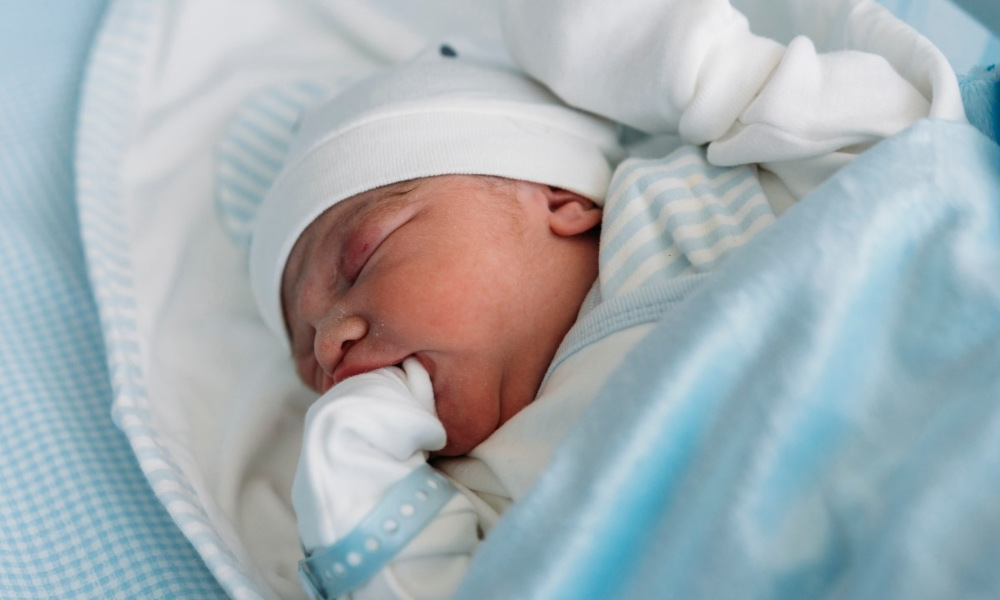
1. Choosing the Right Bassinet
Selecting the perfect bassinet is a crucial step for newborn sleep success. Options like Monbebe Bassinet, Nuna Bassinet, and Aristot Bassinet are renowned for safety and comfort. Look for options offering sturdy construction, breathability, and easy accessibility to ensure convenience for you and safety for the baby.
2. Optimizing Room Conditions
A comfortable room environment plays a significant role in fostering safe sleep for your newborn. Consider using blackout curtains to moderate light exposure and maintain an ideal room temperature of around 68-72°F. A white noise machine can also muffle disruptive noises, helping your newborn fall asleep.
3. Choosing Suitable Bedding
Ensure that your baby’s bassinet bedding is snug, fitted, and kept minimal to create a safe sleeping environment. Overstuffed blankets, pillows, or cushions may seem cozy but can pose serious safety risks, including an increased chance of suffocation or overheating. To keep your baby both safe and comfortable, choose snug swaddles or sleep sacks specifically designed for newborns.
These provide a secure fit that mimics the feeling of being held and helps your baby sleep better while reducing the risks associated with loose bedding. Always prioritize breathable materials and make sure the bassinet mattress fits snugly within its frame to avoid gaps where your baby could get caught.
4. White Noise Strategy
Incorporating white noise can significantly improve your baby’s sleep quality by mimicking familiar womb sounds. Place a white noise machine near the bassinet, but not inside it, keeping the volume no louder than a soft shower. This consistent background noise helps mask household sounds and creates a comforting sleep environment that reminds them of the womb.
5. Gradual Temperature Transition
The temperature change when moving from your warm arms to the bassinet often disrupts sleep. Try placing a warm (not hot) towel or heating pad in the bassinet while preparing for bedtime. Remove it just before laying your baby down. This minimizes the temperature shock that often wakes babies during the transfer.
6. The Ten-Minute Rule
When attempting the bassinet transfer, wait at least ten minutes after your baby falls asleep before moving them. This allows them to enter a deeper sleep state, making them less likely to wake during the transition. Watch for signs of deep sleep, like relaxed facial features and regular breathing.
7. Elevation Technique
If your baby shows signs of reflux discomfort, consider slightly elevating the head of the bassinet by placing a thin towel under the mattress (not directly under the baby). Always consult your pediatrician first, and ensure the elevation is minimal – no more than a 10-degree angle – to maintain safe sleep guidelines.
8. The Double-Sheet Method
Make bassinet changes easier by layering two fitted sheets with a waterproof protector between them. If a middle-of-the-night change is needed, simply remove the top layer and protector to reveal a clean sheet beneath. This minimizes disruption during nighttime changes and helps maintain your baby’s sleepy state.
Techniques to Soothe Your Baby

Swaddling Techniques
Swaddling is a time-tested technique that can help soothe newborns by mimicking the snug, cozy confines of the womb, making your baby feel safe and secure. When swaddling, it’s important to ensure the wrap is snug enough to provide comfort but not too tight, as this could restrict movement or cause discomfort.
Always leave enough room for your baby’s legs to move freely, as this helps support healthy hip development. Swaddling can be particularly effective in calming a fussy baby which reduces the startle reflex and promotes longer & more restful sleep for your little one.
Gentle Rocking and Sound
Some newborns find comfort in gentle motion, which can help soothe them during moments of fussiness. A slow rocking motion, whether in your arms, a rocking chair, or a baby swing, can provide a sense of security and calm, often leading to a peaceful slumber. This movement mimics the natural rhythms they experienced in the womb, helping them feel safe and relaxed.
To enhance this soothing environment, you can accompany the rocking with calming background sounds, such as soft lullabies, white noise, or even the gentle hum of a fan. These sounds further recreate the comforting atmosphere of the womb, making it easier for your baby to settle and drift off to sleep.
Sleep Safety Guidelines for Your Baby’s Bassinet
Safe Surface Selection
Your baby’s sleep surface should be firm, flat, and covered only with a fitted sheet specifically designed for your bassinet model. Never add extra padding, cushions, or mattress toppers, as these pose suffocation risks. The mattress should fit snugly within the bassinet frame with no gaps larger than two fingers’ width between the mattress and the bassinet sides. Regularly inspect the mattress for signs of wear, sagging, or damage. If you notice any deterioration, replace the mattress immediately to maintain optimal safety standards for your baby’s sleep environment.
Proper Sleep Position
Always place your baby on their back for every sleep session, including naps and nighttime sleep. While some babies may naturally roll to their side, start each sleep period with them on their back. Continue this practice until your baby can consistently roll from back to front and front to back unassisted, typically around 6 months of age. Even if your baby rolls during sleep, there’s no need to reposition them – just ensure they start on their back. Monitor your baby’s development and adjust sleep practices accordingly as they grow and gain new motor skills.
Clear Sleep Space
Maintain a completely empty bassinet except for your baby and their fitted sheet. Remove all toys, blankets, pillows, bumper pads, and any other loose items that could pose suffocation or strangulation hazards. Avoid using positioning devices or sleep positioners, even if they claim to reduce reflux or improve sleep. If you’re concerned about your baby being cold, use a wearable blanket or sleep sack instead of loose bedding. Keep the area around the bassinet clear of items that could fall in or that your baby might pull in as they become more mobile.
Frequently Asked Questions
1. How long should my newborn sleep in a bassinet?
Most babies can safely sleep in a bassinet until they show signs of rolling over or reaching the weight limit (typically around 15-20 pounds), which usually occurs between 4-6 months. Always check your specific bassinet’s weight and age limitations, and transition to a crib before your baby outgrows these restrictions.
2. Should I swaddle my baby for bassinet sleep?
Swaddling can be beneficial for bassinet sleep as it helps prevent the startle reflex and promotes better sleep. However, stop swaddling as soon as your baby shows signs of rolling over (usually around 2-3 months) to ensure safety, and always follow proper swaddling techniques.
3. What should I do if my baby only falls asleep while nursing?
Try gradually separating feeding from sleep by keeping your baby slightly awake during feeds. End nursing sessions before your baby is completely asleep, then place them in the bassinet drowsy but awake. This helps prevent strong feeding-sleep associations while promoting self-soothing skills.
4. How can I tell if my baby is getting enough sleep in their bassinet?
Watch for signs of adequate sleep including good mood upon waking, ability to stay awake for age-appropriate periods, meeting developmental milestones, and steady weight gain. Newborns typically need 14-17 hours of total sleep per day spread across multiple sessions.
5. Is it normal for my baby to wake up as soon as I put them in the bassinet?
Yes, this is common as babies are sensitive to temperature and position changes. Try warming the bassinet surface (remove heating pad before placing baby), maintaining physical contact for a few minutes after transfer, and ensuring the room temperature is comfortable (68-72°F).
Final Thoughts
Creating a successful bassinet sleep routine involves patience, understanding, and consistent dedication to safe sleep practices. Every baby is unique, and what works perfectly for one might need adjustment for another. The key lies in observing your baby’s cues and responses while maintaining a supportive approach to their sleep journey. These careful observations help you fine-tune your methods and create a more effective sleep environment tailored to your little one’s needs.
Your gentle persistence in establishing these sleep routines demonstrates your deep commitment to your baby’s well-being. Each successful nap or nighttime sleep in the bassinet builds upon previous achievements, gradually creating positive sleep associations that will serve as building blocks for future sleep patterns. This consistent approach helps your baby feel secure and understood, strengthening the bond between parent and child during these precious early months.
So, when you honor your baby’s individual sleep needs while maintaining safe sleep practices, you create an environment where both rest and development can flourish naturally. These early experiences in the bassinet lay the groundwork for healthy sleep habits that will benefit your child throughout their growth stages. Through this journey, your intuitive understanding of your baby’s needs combined with consistent routines creates a peaceful sleep foundation that supports their overall well-being.
Shop Related Products


