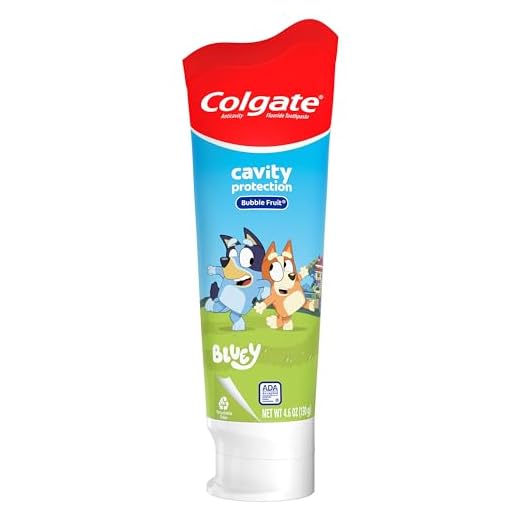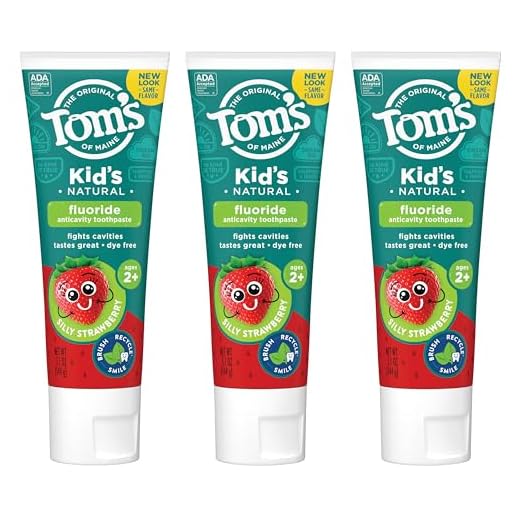
Have you ever found yourself in a pinch, reaching for your child’s toothpaste instead of your own? Or perhaps you’ve wondered if that colorful tube with cartoon characters might actually be a suitable option for your dental hygiene routine? The question of whether adults can use kids’ toothpaste is more common than you might think, and it’s one that deserves a thorough exploration.
Toothpaste, a staple in our daily oral care regimen, comes in a myriad of formulations designed for different ages and specific dental needs. While the basic function remains the same to clean teeth and maintain oral health, the ingredients and concentrations can vary significantly between adult and children’s toothpaste. These differences raise important questions about efficacy, safety, and suitability for adult use.
In this guide, we’ll dive deep into the world of toothpaste, comparing adult and children’s formulations, and uncovering the truth about whether adults can indeed use kids’ toothpaste effectively. We’ll examine the key ingredients, discuss potential benefits and drawbacks, and provide you with the information you need to make an informed decision about your oral care routine.
Understanding Toothpaste Formulations
Before we can answer whether adults can use kids’ toothpaste, it’s crucial to understand what goes into these dental care products. Toothpaste is more than just a minty foam that freshens our breath; it’s a carefully formulated product designed to clean teeth, fight cavities, and promote overall oral health.
Key Ingredients in Toothpaste
The main components of most toothpastes include:
- Fluoride: This mineral is crucial for preventing tooth decay. It strengthens tooth enamel and can even reverse the early stages of decay. The concentration of fluoride is one of the primary differences between adult and children’s toothpaste.
- Abrasives: Ingredients like calcium carbonate or silica help remove plaque and surface stains from teeth. The level of abrasiveness can vary between adult and children’s formulations.
- Humectants: These ingredients, such as glycerin or sorbitol, help prevent the toothpaste from drying out and maintain its texture.
- Flavoring agents: These provide the taste and contribute to the freshening effect of toothpaste. Kids’ toothpaste often has milder or fruity flavors compared to the strong mint flavors common in adult versions.
- Detergents: Substances like sodium lauryl sulfate create the foaming action that helps distribute the toothpaste around your mouth.
Differences Between Adult and Kids’ Toothpaste
The primary distinction between adult and children’s toothpaste lies in the fluoride content. Adult toothpastes typically contain between 1,000 to 1,500 parts per million (ppm) of fluoride, while children’s toothpastes usually have lower concentrations, often around 500 ppm.
Children’s toothpaste is formulated with lower fluoride concentrations to prevent excessive ingestion, as young children are more likely to swallow toothpaste. They also often feature milder flavors and may contain less abrasive ingredients to be gentler on developing teeth.
Can Adults Use Kids’ Toothpaste?
Now, let’s address the central question: can adults use kids’ toothpaste? The short answer is yes, adults can use children’s toothpaste, but there are several factors to consider.
Fluoride Content
The primary concern when using kids’ toothpaste as an adult is the reduced fluoride content. Fluoride plays a crucial role in preventing cavities and strengthening tooth enamel. The American Dental Association (ADA) recommends that adults use toothpaste containing 1,000 to 1,500 ppm of fluoride for optimal cavity protection.
Using children’s toothpaste with lower fluoride content may not provide the level of protection that adult teeth require, especially if you’re prone to cavities or have existing dental issues. However, if you’re in a pinch or have run out of your regular toothpaste, using kids’ toothpaste occasionally won’t harm your teeth.
Abrasiveness
Children’s toothpastes are often less abrasive than adult formulations. While this gentler approach is beneficial for kids’ developing teeth, adults may find that kids’ toothpaste doesn’t clean their teeth as thoroughly or remove stains as effectively.
The abrasiveness of toothpaste is measured on the Relative Dentin Abrasivity (RDA) scale. Most adult toothpastes have an RDA between 100 and 200, while kids’ toothpastes typically fall below 100. If you’re concerned about tooth sensitivity or enamel wear, a less abrasive children’s toothpaste might actually be beneficial.
Taste and Texture
The flavor and texture of kids’ toothpaste are designed to appeal to children, which means they’re often sweeter and have a milder taste compared to adult versions. Some adults might find the flavor of children’s toothpaste too sweet or not refreshing enough.
Additionally, kids’ toothpaste may not foam as much as adult versions due to lower levels of detergents. While this doesn’t affect the cleaning efficacy, some adults may miss the foaming action they’re accustomed to.
When Might Adults Choose Kids’ Toothpaste?
While it’s generally recommended for adults to use toothpaste formulated for adult teeth, there are scenarios where using kids’ toothpaste might be appropriate or even beneficial:
Sensitive Teeth
If you have sensitive teeth, the lower abrasiveness of children’s toothpaste could be gentler on your enamel and dentin. Some adults with recurring sensitivity issues find relief by switching to a children’s toothpaste.
Fluoride Sensitivity
In rare cases, some adults may be sensitive to the higher fluoride concentrations in adult toothpastes. If you experience irritation or mouth sores from adult toothpaste, a children’s formulation with lower fluoride content might be a suitable alternative. However, it’s essential to consult with your dentist before making this switch.
Texture Preferences
Some adults prefer the smoother texture of children’s toothpaste, finding it more comfortable to use. If this encourages more consistent brushing, it could be a positive change for your oral hygiene routine.
Travel or Emergency Situations
If you’re traveling and forget your toothpaste, or in any situation where only children’s toothpaste is available, it’s perfectly fine to use it temporarily. Short-term use won’t negatively impact your dental health.
Considerations for Long-Term Use
If you’re contemplating using kids’ toothpaste regularly as an adult, there are several factors to consider:
Fluoride Intake
If you opt for children’s toothpaste with lower fluoride content, you might need to compensate for this in other ways. This could include using a fluoride mouthwash or ensuring you’re getting adequate fluoride from other sources, such as fluoridated drinking water.
According to the Centers for Disease Control and Prevention (CDC), the optimal fluoride level in drinking water for preventing tooth decay is 0.7 milligrams per liter. If you’re using kids’ toothpaste and your local water supply isn’t fluoridated, you might be at higher risk for cavities.
Dental Health History
Your personal dental health history should play a role in your decision. If you’re prone to cavities or have a history of gum disease, the reduced fluoride and potentially lower cleaning power of kids’ toothpaste might not be sufficient for your needs.
Consultation with a Dentist
Before making any long-term changes to your oral care routine, it’s wise to consult with your dentist. They can assess your specific dental needs and advise whether using children’s toothpaste is appropriate for you.
Alternatives to Consider
If you’re looking for alternatives to standard adult toothpaste but aren’t sure about using kids’ formulations, consider these options:
Sensitive Toothpaste
Many brands offer toothpaste specifically formulated for sensitive teeth. These often have the full fluoride content of adult toothpaste but with ingredients designed to reduce sensitivity.
Natural Toothpaste
If you’re concerned about certain ingredients in conventional toothpaste, there are many natural and organic options available for adults. However, be sure to choose one that still contains fluoride for optimal cavity protection.
Prescription Toothpaste
For those with specific dental issues, your dentist might recommend a prescription toothpaste. These often contain higher levels of fluoride or other specialized ingredients to address particular oral health concerns.
FAQs
1. Will using kids’ toothpaste affect my ability to whiten my teeth?
Children’s toothpaste typically doesn’t contain whitening agents and may be less effective at removing surface stains compared to adult formulations. If tooth whitening is a priority for you, you might find kids’ toothpaste less satisfactory. However, the primary factors in tooth whitening are your diet, lifestyle habits, and use of specific whitening products. Regular brushing with any toothpaste will help maintain oral hygiene, which is crucial for overall tooth appearance.
2. Is it safe to use adult toothpaste for children?
It’s generally not recommended for young children to use adult toothpaste due to the higher fluoride content. Children under 6 may swallow toothpaste, and excessive fluoride ingestion can lead to dental fluorosis. The American Dental Association recommends using a smear of toothpaste (about the size of a grain of rice) for children under 3, and a pea-sized amount for children 3-6 years old, using toothpaste specifically formulated for children.
3. How does the abrasiveness of kids’ toothpaste compare to adult toothpaste?
Children’s toothpastes are typically less abrasive than adult formulations. On the Relative Dentin Abrasivity (RDA) scale, most kids’ toothpastes fall below 100, while adult toothpastes can range from 100 to 200 or higher. Lower abrasiveness can be gentler on enamel but may be less effective at removing stubborn stains. If you have sensitive teeth or are concerned about enamel wear, a less abrasive children’s toothpaste might actually be beneficial.
4. Can I get enough fluoride from other sources if I use kids’ toothpaste?
If you choose to use kids’ toothpaste with lower fluoride content, you can supplement your fluoride intake through other means. Drinking fluoridated water is one of the most effective ways to get additional fluoride. You can also use a fluoride mouthwash or ask your dentist about fluoride treatments. However, it’s important to consult with your dentist to ensure you’re getting the right amount of fluoride for your specific dental needs without risking overexposure.
Final Thoughts
The question of whether adults can use kids’ toothpaste isn’t as straightforward as it might seem. While it’s generally safe for adults to use children’s toothpaste, it may not provide the optimal level of care that adult teeth require, particularly in terms of cavity prevention and stain removal.
For most adults, using toothpaste formulated for mature teeth is the best choice for maintaining optimal oral health. These products are designed to meet the specific needs of adult teeth and gums, providing the right balance of cleaning power, enamel protection, and cavity prevention.
However, dental care is not one-size-fits-all. If you find that children’s toothpaste works better for your specific needs, whether due to sensitivity issues, texture preferences, or other factors, it’s worth discussing with your dentist. They can help you weigh the pros and cons and potentially suggest ways to supplement your oral care routine to ensure you’re getting adequate fluoride and cleaning power.
Shop Related Products